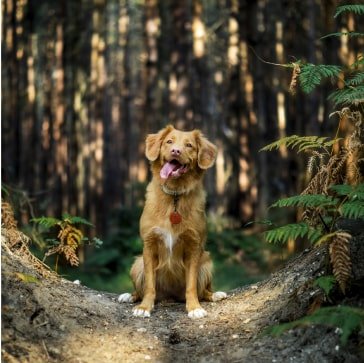
Discover the best high-protein dog food options tailored for active breeds and learn how to optimize your dog’s diet for energy and health.
Active dog breeds require specialized nutrition to keep up with their demanding energy levels and maintain overall health. One of the most important aspects of their diet is ensuring they receive enough protein. In this comprehensive buyer’s guide, we’ll dive into the essentials of high-protein dog food, explore what makes it the best dog food for active dogs, and provide actionable tips on selecting the right option for your furry companion.
Understanding the Importance of High-Protein Dog Food
Protein serves as the building block for muscles, tissues, and vital enzymes in dogs. Active breeds, such as Border Collies, German Shepherds, and Labrador Retrievers, burn more calories and need more protein to aid muscle recovery and sustain their vigor. A balanced, protein-rich dog diet supports:
- Muscle growth and repair
- Boosted immune function
- Improved energy levels and stamina
- Healthy skin and coat condition
Choosing dog food with adequate high-quality protein sources like chicken, beef, fish, or lamb can make a significant difference in performance and wellbeing.
How to Choose the Best Dog Food for Active Dogs
Selecting the right food involves more than just looking for “high protein” on the label. Here are key factors to consider:
1. Protein Content and Quality
A protein content of 25% or higher is generally beneficial for active breeds. However, quality matters just as much as quantity. Look for animal-based proteins listed as the first ingredients and avoid excessive fillers or plant proteins that provide incomplete amino acids.
2. Balanced Nutrients
High-protein dog food should also include balanced amounts of fats, carbohydrates, vitamins, and minerals. Omega-3 and omega-6 fatty acids support joint health and coat shine, while antioxidants aid recovery.
3. Ingredient Transparency
Choose brands that are clear about their sourcing and ingredient origins. Avoid artificial preservatives, colors, and by-products, which may harm digestion and overall health.
4. Breed and Life Stage Appropriateness
Some active dogs have special needs based on age, size, or breed-specific traits. Puppy formulas have different protein ratios than adult or senior options, so tailor your choice accordingly.
Top Tips for Transitioning Your Dog to a Protein-Rich Dog Diet
- Gradual Switch: Transition slowly over 7-10 days to avoid stomach upset by mixing increasing amounts of the new high-protein food with the old diet.
- Portion Control: Active dogs may require more calories, but overfeeding can cause weight gain; monitor weight and adjust portions.
- Monitor Hydration: Higher protein levels mean your dog needs adequate water to support kidney function and metabolism.
- Consult Your Vet: Always check with your vet before switching diets, especially for dogs with pre-existing health conditions.
Common Ingredients in High-Protein Dog Foods
Understanding common ingredients helps in identifying quality dog foods. Here are some staples:
- Animal proteins: Chicken, beef, turkey, lamb, fish, and eggs are excellent complete proteins.
- Legumes and grains: Peas, lentils, and brown rice add fiber and some plant protein but should not replace animal proteins.
- Fats: Chicken fat, fish oil, and flaxseed supply essential fatty acids.
- Vegetables: Sweet potatoes, carrots, and spinach provide vital antioxidants and nutrients.
Further Reading: Explore Our Dog Nutrition Guide
To deepen your understanding beyond protein, our dog nutrition guide offers detailed insights into balanced meal planning, special dietary needs, and healthy treats for active pups.
Conclusion
Feeding your active dog a high-protein dog food is key to supporting their muscle health, energy levels, and overall wellbeing. By selecting a product with high-quality ingredients, balanced nutrients, and tailored to your dog’s specific needs, you set your pet up for a vibrant, active life. Remember to transition diets carefully and regularly consult your veterinarian to optimize your dog’s nutrition plan.
Frequently Asked Questions
What defines a high-protein dog food?
A high-protein dog food generally contains 25% or more protein by weight, primarily from animal sources. It supports muscle maintenance and energy, especially important for active breeds.
Is high-protein dog food suitable for all dog breeds?
While beneficial for active breeds and working dogs, high-protein diets may not be necessary or suitable for less active or senior dogs. Always tailor the diet to your dog’s activity level and health requirements.
How can I tell if my dog needs a protein-rich diet?
Signs may include low energy, muscle loss, and slow recovery after exercise. Consulting a veterinarian can help determine if a protein-rich diet is appropriate for your dog’s lifestyle.