If you've ever watched a cat sniff catnip and suddenly start rolling, rubbing, purring, or racing around the room, you may have wondered: what is catnip, and why do cats react to it so strongly?
Catnip is a natural herb that can trigger temporary behavioral changes in many cats. Some become playful and energetic, while others become calm and relaxed. Interestingly, not every cat responds to catnip at all.
In this guide, we'll explain what catnip is, how it affects cats, how long its effects typically last, and how to introduce it safely as part of your cat's enrichment routine.
What Is Catnip?
Catnip, scientifically known as Nepeta cataria, is an herb from the mint family. It is native to parts of Europe and Asia but is now grown in many regions around the world.
The plant contains an aromatic compound called nepetalactone, which is primarily responsible for the characteristic reaction that many cats have when they smell catnip.
Catnip can be found in several forms, including dried leaves, fresh plants, sprays, and cat toys filled with dried catnip.
Why Do Cats Like Catnip?
When a responsive cat smells catnip, nepetalactone interacts with receptors involved in detecting scents. This can temporarily influence the cat's behavior.
The reaction varies from one cat to another. Some cats may become energetic and playful, while others may simply relax.
Common behaviors can include:
- Rolling on the floor
- Rubbing the face or body against the catnip
- Purring
- Increased playfulness
- Running or jumping around
- Sniffing or licking the catnip
- Relaxing after the initial excitement
These reactions are usually temporary.
Do All Cats Respond to Catnip?
No. Not every cat responds to catnip.
Sensitivity to catnip is influenced largely by genetics, so some cats may show a strong reaction while others appear completely uninterested.
Young kittens also commonly show little or no response. Sensitivity may become more noticeable as a cat matures.
If your cat ignores catnip, there is usually no reason for concern. It simply may not have the inherited sensitivity that produces the familiar catnip response.
How Long Does Catnip Last?
The noticeable effects of catnip are generally short-lived. After interacting with it for several minutes, many cats gradually lose interest.
They may also become temporarily less responsive to catnip before showing interest again later.
Because of this natural cycle, leaving catnip toys available constantly may make them less exciting. Offering them occasionally can help keep the experience interesting.
Is Catnip Safe for Cats?
Catnip is generally considered safe for cats when offered appropriately. However, moderation is still a good idea.
Allow your cat to interact with a small amount at first so you can observe its reaction. Consuming a large amount may cause temporary digestive discomfort in some cats.
If your cat becomes overly excited, uncomfortable, or unusually aggressive around catnip, simply remove it and allow your cat time to settle.
Can Cats Eat Catnip?
Cats may lick or eat small amounts of catnip while playing with it. The response can sometimes differ depending on whether the cat smells or consumes the herb.
Rather than giving your cat large quantities, use small amounts as an occasional enrichment activity.
Different Types of Catnip Products
Catnip is available in several forms, making it easy to experiment and discover what your cat prefers.
Dried Catnip
Dried leaves are one of the most common options. A small amount can be sprinkled onto a scratching post, toy, or designated play area.
Catnip Toys
Many plush cat toys contain dried catnip. These combine scent enrichment with activities such as chasing, kicking, batting, and carrying.
Catnip Spray
Catnip sprays can be applied to appropriate cat toys, scratching surfaces, or other designated areas. They can be convenient when you want the scent without loose dried leaves around the home.
Fresh Catnip
Catnip can also be grown as a plant. If you grow it at home, make sure it has not been treated with substances that could be unsafe for pets.
How to Use Catnip for Enrichment
Catnip can be more than an occasional treat. Used thoughtfully, it can make everyday enrichment activities more interesting.
Encourage Scratching
If your cat ignores a new scratching post, adding a small amount of catnip may encourage exploration of the new surface.
Refresh Old Toys
A little catnip can sometimes renew your cat's interest in toys that have been sitting unused.
Make Playtime More Interesting
Catnip-filled toys can be incorporated into interactive play sessions alongside other toys your cat enjoys.
Introduce New Cat Furniture
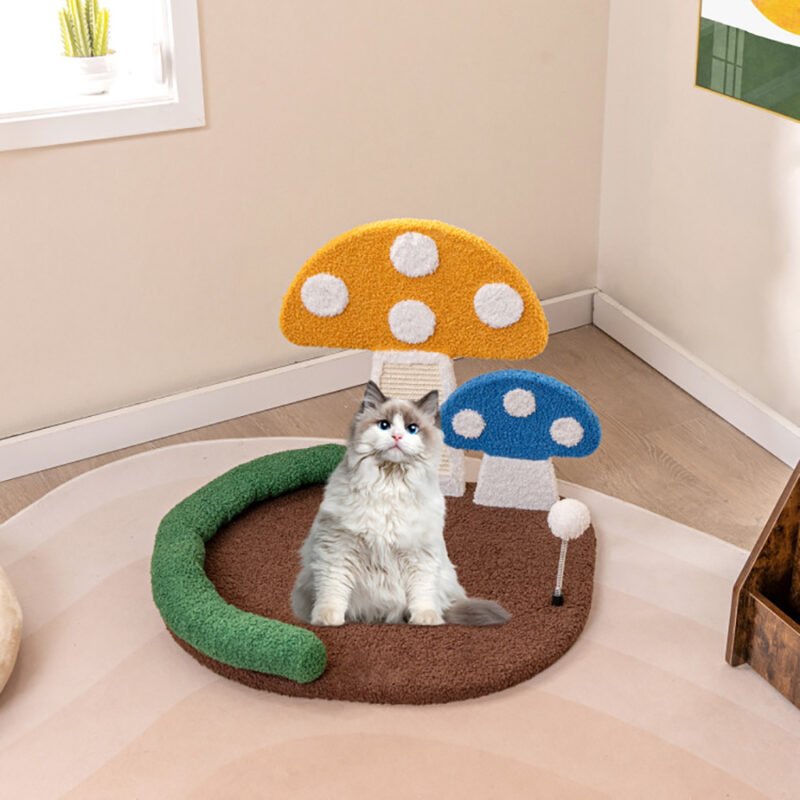
When introducing a new cat tree, bed, tunnel, or scratching area, catnip may help attract a responsive cat's attention to the new item.
How Often Can You Give a Cat Catnip?
There is usually no need to offer catnip every day. Occasional use can help maintain novelty and prevent it from becoming an ordinary part of the environment.
You might bring out a catnip toy during selected play sessions and store it away afterward.
Always pay attention to your individual cat. Some cats enjoy catnip frequently, while others prefer shorter or less frequent interactions.
How Should You Store Catnip?
Catnip's aromatic compounds can gradually lose potency over time. Store dried catnip in a sealed container away from excessive heat, moisture, and direct sunlight.
Catnip toys can also be stored in a sealed container or bag between play sessions to help preserve their scent.
What If Your Cat Doesn't Like Catnip?
If your cat doesn't react to catnip, don't worry. There are many other ways to provide enrichment.
Interactive toys, climbing structures, scratching posts, tunnels, puzzle feeders, and supervised play can all help keep your cat mentally and physically engaged.
Some cats may also respond to other cat-safe botanical scents, although reactions vary between individual cats.
Frequently Asked Questions About Catnip
What does catnip do to cats?
Catnip can temporarily change the behavior of cats that are sensitive to it. Reactions may include rolling, rubbing, purring, increased playfulness, or relaxation.
Why doesn't my cat react to catnip?
Catnip sensitivity is largely influenced by genetics. Some cats simply do not respond to it, and young kittens may not show a noticeable reaction yet.
Can kittens have catnip?
Young kittens often show little interest in catnip. If you introduce it, use only a small amount and supervise the interaction.
Can catnip make cats aggressive?
Most cats display playful or relaxed behavior, but individual reactions vary. If your cat becomes overly excited or aggressive, remove the catnip and discontinue the session.
Does catnip expire?
Dried catnip does not suddenly become unusable, but its aroma and potency can decrease over time. Proper storage in a sealed container can help preserve its scent.
Final Thoughts: What Is Catnip?
So, what is catnip? It is a natural herb from the mint family containing nepetalactone, a compound that can trigger temporary behavioral responses in many cats.
For cats that respond to it, catnip can add variety to playtime, encourage interaction with toys and scratching surfaces, and provide another form of enrichment.
Use it in moderation, observe how your individual cat responds, and remember that a cat that completely ignores catnip is perfectly normal too.